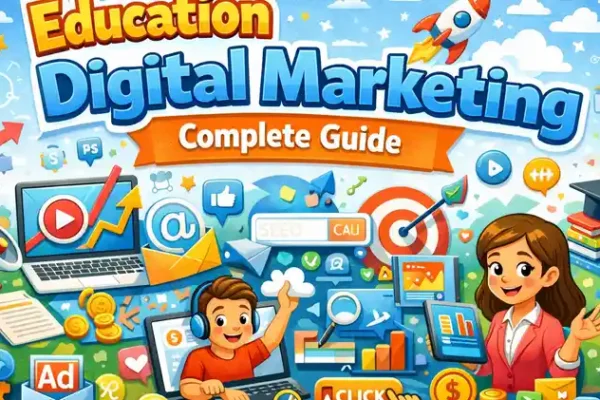
In the modern business landscape, Digital Marketing has become the cornerstone of successful brand growth and customer engagement. Whether you’re a small business owner or a marketing professional at a global corporation, understanding digital marketing is no longer optional – it’s essential for survival in today’s competitive marketplace. The shift from traditional advertising to digital platforms has revolutionized how companies reach, engage, and convert their target audiences.
Digital Marketing encompasses all marketing efforts that use electronic devices or the internet to connect with potential customers. This includes search engines, social media, email, websites, and mobile apps. Unlike traditional marketing, digital marketing allows for precise targeting, real-time analytics, and unprecedented reach to global audiences.
In this comprehensive guide, we’ll explore the world of digital marketing – its strategies, tools, and best practices that can help your business thrive online. Whether you’re looking to develop your first digital marketing strategy or enhance your existing efforts, this article will provide valuable insights to elevate your online presence.
What is Digital Marketing?
Digital Marketing refers to the promotion of products, services, or brands using digital technologies and channels. It involves strategic planning and execution across multiple online platforms to attract, engage, and convert target audiences into loyal customers.
Core Components of Digital Marketing
- Search Engine Optimization (SEO): Optimizing website content for organic search visibility
- Pay-Per-Click Advertising (PPC): Paid ads on search engines and social platforms
- Social Media Marketing: Engaging audiences on platforms like Facebook, Instagram, and LinkedIn
- Content Marketing: Creating valuable content to attract and retain customers
- Email Marketing: Direct communication with subscribers and customers
- Analytics and Data Analysis: Measuring performance and optimizing strategies
Major Digital Marketing Strategies
1. Search Engine Optimization (SEO)
SEO improves your website’s visibility in search engine results, driving organic traffic without paying for ads. This involves keyword optimization, quality content creation, and technical improvements.
2. Social Media Marketing
Building brand presence on platforms where your audience spends time. Effective social media marketing creates engagement, builds community, and drives conversions.
3. Content Marketing
Creating and distributing valuable content to attract and retain customers. Blog posts, videos, infographics, and ebooks all fall under content marketing.
4. Email Marketing
One of the most cost-effective digital marketing channels, email marketing nurtures leads and maintains customer relationships through targeted campaigns.
5. PPC Advertising
Paid advertising on platforms like Google Ads and Facebook Ads that delivers immediate results and precise audience targeting.
Benefits of Digital Marketing
- Global Reach: Target customers anywhere in the world
- Cost-Effective: More affordable than traditional advertising methods
- Measurable Results: Track performance with detailed analytics
- Targeted Advertising: Reach specific demographics and audiences
- Real-Time Engagement: Connect with customers instantly
- Higher Conversion Rates: Better ROI compared to traditional marketing
Key Digital Marketing Metrics
- Website Traffic: Number of visitors to your site
- Conversion Rate: Percentage of visitors who take desired actions
- Click-Through Rate (CTR): Ratio of users who click on your content
- Bounce Rate: Percentage of visitors who leave without engaging
- Return on Investment (ROI): Revenue generated relative to marketing spend
Digital Marketing Best Practices
- Define Clear Goals: Know what you want to achieve
- Know Your Audience: Understand customer demographics and behaviors
- Create Quality Content: Provide value to attract and retain customers
- Optimize for Mobile: Ensure your content works on all devices
- Test and Iterate: Continuously improve based on data and results
- Stay Updated: Keep up with the latest trends and algorithm changes
Conclusion
Digital Marketing offers incredible opportunities for businesses of all sizes to reach and engage their target audiences. By leveraging the right strategies and tools, you can build brand awareness, drive traffic, generate leads, and ultimately grow your business.
The key to digital marketing success lies in understanding your audience, creating valuable content, and continuously measuring and optimizing your efforts. Whether you’re just starting or looking to enhance your existing strategy, embracing digital marketing is essential for achieving your business goals in today’s connected world.