Nigerian Newspapers: Complete Guide (2026)
Nigerian newspapers are a big deal in Africa. With over 200 million people, Nigeria has…
3 articles
 News
News
Nigerian newspapers are a big deal in Africa. With over 200 million people, Nigeria has…
 News
News
Nigeria is Africa’s biggest country by population. It has many newspapers and media outlets. Nigeria…
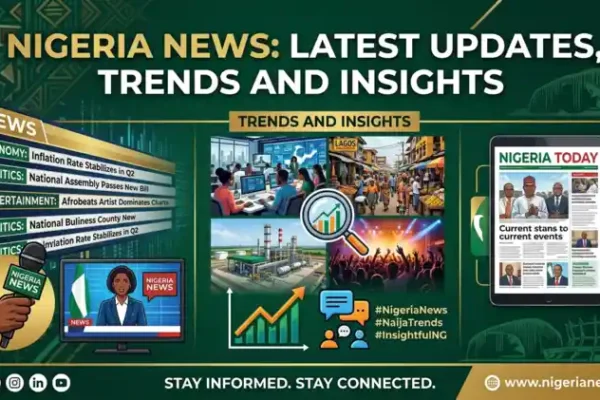 News
News
Nigeria is Africa’s biggest country by people. Its news affects millions both at home and…
In today’s fast-paced world, staying informed has never been more important – yet navigating the vast landscape of News can feel overwhelming. Whether you’re catching up on current events, tracking industry developments, or following stories that matter to your community, consuming new’s shapes our understanding of the world around us. The way we access, consume, and evaluate news has evolved dramatically, making it essential to develop smart news habits.
News refers to current information about events, developments, and stories that affect people locally, nationally, or globally. It encompasses everything from breaking stories and political developments to entertainment, sports, and technological innovations. New’s serves as a vital information bridge, keeping citizens informed, holding powerful institutions accountable, and facilitating informed decision-making in democratic societies.
In this comprehensive guide, we’ll explore everything you need to know about new’s – from understanding different types of journalism to developing critical evaluation skills. Whether you’re a casual reader or someone who wants to stay better informed, this article will provide valuable insights to help you navigate the modern new’s landscape effectively.
News is timely information about recent events or developments that interest or affect a broad audience. Professional journalists and editors determine what constitutes new’s based on factors like relevance, impact, proximity, prominence, conflict, and human interest. The goal of new’s is to inform the public about important events and issues that shape their lives.
Immediate coverage of developing events as they unfold, often with limited initial details and continuous updates.
In-depth, detailed articles that go beyond basic facts to provide context, analysis, and human interest angles.
Extensive research and reporting that uncovers hidden information, often exposing wrongdoing or systemic issues.
Perspective pieces that provide expert analysis, commentary, and interpretation of current events.
Coverage of events and issues affecting specific communities, neighborhoods, or regions.
Financial markets, corporate developments, economic trends, and business industry updates.
News remains a cornerstone of informed societies, providing the information citizens need to understand their world and participate meaningfully in civic life. In the digital age, we have more access to new’s than ever before, but this abundance also requires us to be more thoughtful consumers. Developing good new’s habits – including source diversity, critical evaluation, and balanced consumption – helps us stay informed without being overwhelmed.
Remember, being a responsible new’s consumer means not just staying informed, but doing so thoughtfully and critically. By applying the principles outlined in this guide, you can build a healthy relationship with news that enriches your understanding of the world while protecting your mental well-being.
Subscribe for exclusive tech updatearticle insights, articles, and tips delivered to your inbox. No spam, ever.
🔒 We respect your privacy. Unsubscribe anytime.