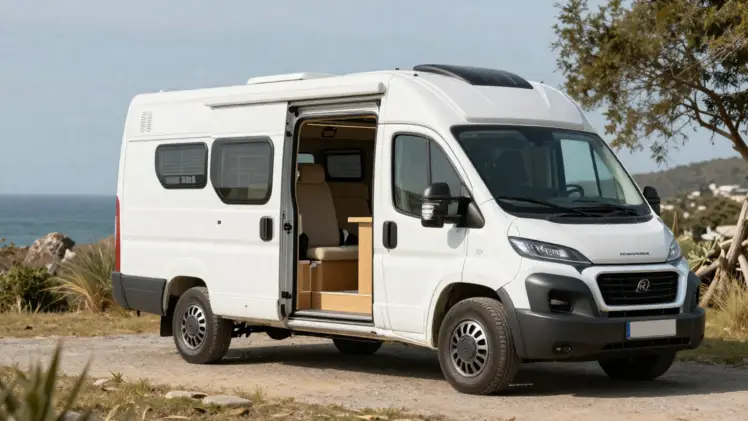
Do you dream of waking up to mountain views? Imagine falling asleep by the ocean. Think about exploring new places every week. Lifestyle campers could be your answer. More people are choosing this way of life. They trade traditional homes for freedom on the road. This growing movement changes how we think about housing, work, and adventure.
In this guide, you’ll learn what lifestyle campers means. We’ll cover its history and why it matters today. We’ll explore tips, trends, and real stories from people living this dream. Whether you want to start your journey or just understand this lifestyle, this article helps.
What Are Lifestyle Campers?
Lifestyle campers live full-time in RVs, camper vans, or tiny mobile homes. They’re not vacationers or weekend travelers. They make their camper their main home. They work remotely. They raise children. They build communities—all while traveling.
This lifestyle focuses on freedom and nature. Unlike traditional camping, they stay in one spot for weeks or months. They join communities in RV parks, public lands, or hostels for long-term stays.
Remote workers love this way of living. So do retirees and artists. Anyone seeking simplicity and adventure can try it. The key difference? They’re not just camping—they’re living.
History and Evolution of Lifestyle Campers
Mobile living isn’t new. In the early 1900s, travelers used converted railroad cars. They used simple caravans to explore the American West. These early “house cars” started the RV industry.
After World War II, the industry grew fast. Families packed into travel trailers. They hit new highways. In the 1960s and 1970s, the hippie movement embraced converted buses. These became symbols of freedom.
The 2000s changed everything. High-speed internet became wireless. Remote work became possible. This tech shift opened the lifestyle to millions.
Today, social media and digital nomad culture drive this movement. Modern lifestyle campers blend old adventure with new tech.
Why Is the Lifestyle Campers Movement Important?
This movement matters for many reasons. Housing costs push people toward alternative options. In expensive cities like San Francisco, a modest RV costs less than monthly rent.
Environment matters too. Many campers want to reduce their impact. They use solar power and consume less.
The RV industry grows fast. The RV Industry Association says over 11 million American households own an RV. Sales hit records during the pandemic.
Most importantly, this lifestyle changes thinking. People question the old “American Dream.” They choose experiences over things. They pick freedom over stability.
How Does Lifestyle Campers Work?
The process is simpler than you think. First, you need a vehicle. This could be a Class A motorhome, Class B van, travel trailer, or truck camper. Each type has pros and cons.
Next, you need to support yourself. Most lifestyle campers work online. They use cell data and Wi-Fi hotspots. Some run businesses that travel with them. Others use savings or retirement income.
Finding places to stay takes research. Some use private RV parks with full hookups. Others boondock—camp without utilities on public land. Apps like Campendium help find spots.
Daily life balances work, travel, and upkeep. It requires flexibility. Weather, repairs, and unexpected costs come with the territory.
Key Benefits of Lifestyle Campers
- Save money: Lower costs mean more savings or travel
- Go anywhere: Wake up in a new place when you want
- Simplify life: Less stuff means less stress
- Connect with nature: Spend more time outside
- Find community: Join welcoming groups of travelers
- Have adventures: Try new activities and foods
Challenges and Common Misconceptions
Many think lifestyle campers are always on vacation. This is false. They still work, pay bills, and handle stress. The difference? They do it in different places.
Maintenance costs surprise newcomers. RV repairs can be expensive. Finding mechanics in remote areas is hard.
Loneliness affects some travelers. Building relationships while moving takes effort. Many join online groups or planned meetups.
Internet reliability is tricky. Many spots have weak signals. Solutions like satellite internet exist but cost more.
Lifestyle Campers in 2026: Latest Trends and Innovations
Tech keeps changing this lifestyle. Starlink provides fast internet almost anywhere. Solar panels work better now. New batteries store more power.
Sustainability is trending. Many new campers use composting toilets and greywater systems. Some try tiny houses on wheels that meet building codes.
The digital nomad boom drives changes. Companies market to remote workers. More RV parks have coworking spaces. Some locations offer workspace pods.
How to Implement Lifestyle Campers (Step-by-Step Guide)
Step 1: Know Your Needs Pick the rig type that fits your life. Think about budget and where you want to go.
Step 2: Do Your Research Join online groups. Watch YouTube videos. Read blogs. Learn from others.
Step 3: Try Before You Buy Rent an RV for a month. Test it first. See if reality matches your dream.
Step 4: Find Your People Connect with online communities. Find mentors with years of experience.
Step 5: Plan Your Money Add up costs. Include vehicle payments, repairs, fuel, campground fees, and insurance.
Step 6: Start Small Take short trips first. Stay on the road longer over time. Learn your vehicle.
Best Tools and Resources for Lifestyle Campers
- Campendium: Reviews and maps for campgrounds
- Harvest Hosts: Stays at farms, wineries, and museums
- Starlink: Internet for remote spots
- iBoats.com: Used RV listings and guides
- Escapees Club: Community and mail forwarding
Case Studies and Success Stories
Sarah and Mike left their Seattle apartment in 2023. They bought a used motorhome for $45,000. Two years later, they’ve visited 35 states. Sarah writes freelance. Mike runs an online store. Their monthly costs are about $2,500—less than Seattle rent.
The Thompson family of five converted a school bus. They share their journey on YouTube. Their channel has 200,000 followers. Ad revenue covers their travel costs.
Expert Tips and Best Practices
“Start simple. Don’t buy expensive gear until you know what you need. More stuff means worse fuel economy and less freedom to move.” — Mark Johnson, full-time RVer since 2018
“Join local groups before traveling. You’ll learn tips for your specific routes and destinations.” — Lisa Chen, digital nomad and blogger
Frequently Asked Questions
Do lifestyle campers have a permanent address?
Yes. Many use a friend’s address, family member, or mail forwarding service like Escapees.
Is this lifestyle safe?
Usually, yes. Like any way of living, be aware and use common sense. Most campers feel safe in campgrounds and communities.
Can I bring pets?
Yes. Many travelers have dogs and cats. You need extra planning, but most pets adjust well.
What about healthcare?
Many use telemedicine and travel for care. Some keep residency in states with good insurance options.
Conclusion
Lifestyle campers offer more than a housing choice. They bring freedom, simplicity, and adventure. Whether you’re ready to travel or just curious, this movement has something for you.
The key is understanding what you’re getting into. Research well. Try the lifestyle. Connect with experienced travelers. The community wants to help newcomers.
Start small. Learn as you go. The road awaits those ready for the journey.


💬 Leave a Comment
Leave a Comment