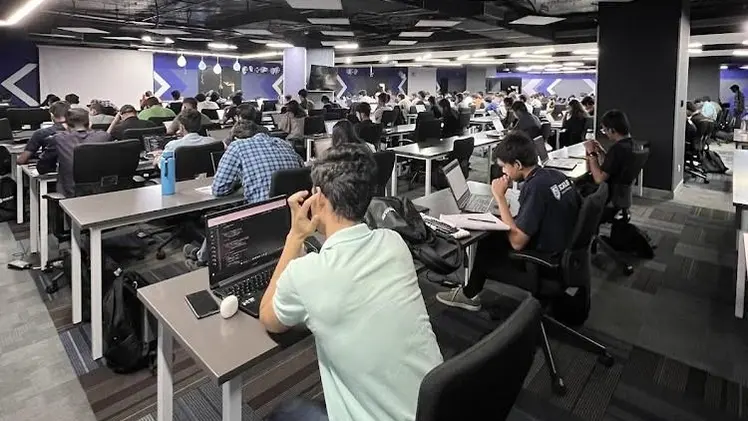
In today’s fast-changing tech world, many fresh graduates struggle to find jobs. Companies say they can’t find qualified talent. This gap creates a big problem. But there’s a solution: specialized training platforms like Scaler School of Technology. This guide covers everything about this institution. You’ll learn about its programs, teaching style, and career results. Whether you’re a student, a job seeker, or thinking about switching careers, this article will help you understand if Scaler School of Technology is right for you.
What is Scaler School of Technology?
Scaler School of Technology is a premium tech education platform. It trains developers, data scientists, and tech professionals. The goal is simple: turn students into job-ready talent.
Unlike traditional colleges, Scaler focuses on practical skills. Students learn by doing real projects. They work on industry problems. They get mentorship from experts who have worked at top companies.
The school offers programs in:
- Software Engineering
- Data Science
- Artificial Intelligence
- Machine Learning
Courses suit different skill levels. Beginners can start from scratch. Professionals can learn advanced topics. The curriculum updates regularly. It matches what employers actually need.
History & Evolution
Scaler School of Technology started because of a real problem. India produces many engineering graduates each year. But most aren’t ready for actual tech jobs. Companies waste time training new hires. Graduates waste years in colleges learning outdated skills.
The founders saw this gap. They built Scaler Academy first. That platform helped working professionals upskill. It worked well. Then they launched the School of Technology for deeper, more intensive training.
Over time, the curriculum grew. Early courses focused on web development. Now they cover AI, ML, and data science. The teaching methods also improved. Peer learning, live projects, and rigorous tests now form the core experience.
Why is Scaler School of Technology Important?
This institution matters for three big reasons:
- Skills Gap: Studies show most tech graduates aren’t employable. They need extra training. Scaler fills this gap.
- Career Outcomes: Students get real job opportunities. Many land roles at good companies after completing courses.
- Industry Impact: Better-trained professionals help companies innovate. This strengthens India’s tech sector overall.
The school also promotes inclusion. It makes quality tech education available to more people. Those from non-IT backgrounds can also switch careers.
How Does Scaler School of Technology Work?
The learning model combines several elements:
- Live Classes: Instructors teach in real-time. Students can ask questions instantly.
- Self-Paced Learning: Recorded materials let learners study at their own speed.
- Coding Practice: Regular exercises build problem-solving skills.
- Group Projects: Teams work on real problems. This mimics actual workplace collaboration.
- Mentorship: Each student gets guidance from experienced tech professionals.
The journey follows these steps:
- Enrollment: Apply and get accepted based on program requirements.
- Orientation: Learn the platform, tools, and expectations.
- Module Learning: Progress through topics from basics to advanced levels.
- Projects: Build real applications to create a portfolio.
- Career Prep: Get help with resumes, interviews, and job placement.
Key Benefits of Scaler School of Technology
Here’s why students choose Scaler:
- Current Curriculum: Skills taught match what companies need right now.
- Expert Mentors: Learn from people who’ve worked at Google, Amazon, and similar firms.
- Job Support: Career services help with placement after course completion.
- Flexible Options: Part-time and full-time formats suit different schedules.
- Hands-On Practice: Build actual projects, not just theoretical knowledge.
- Networking: Connect with peers, alumni, and industry experts.
- Portfolio Building: Graduate with work samples to show employers.
Challenges & Common Misconceptions
Be aware of these points before enrolling:
- Not for Everyone: The programs demand heavy time commitment. Beginners need dedication. Lazy students won’t benefit.
- No Job Guarantees: Career support is strong, but no legitimate school can promise jobs. Your effort matters most.
- Intensity: The pace can overwhelm some students. Balance work, life, and study carefully.
- Cost: Fees are an investment. Compare with alternatives before deciding.
Scaler School of Technology in 2026: Latest Trends
The tech education field changes fast. Here’s what’s new at Scaler:
- AI-First Curriculum: More courses now cover artificial intelligence. Students learn modern AI tools and frameworks.
- System Design Focus: Building large-scale systems gets more attention. This skill matters for senior roles.
- Better Online Learning: Improved platforms make remote study more effective. Hybrid formats work well now.
Experts predict AI skills will only grow more important. Scaler adapts its curriculum to stay relevant.
How to Implement Scaler School of Technology (Step-by-Step)
Ready to apply? Follow this path:
- Research: Check available programs. Match them with your career goals.
- Apply: Submit your application online.
- Assess: Some courses need an entrance test. It checks your current level.
- Enroll: Pay fees or explore financing options.
- Start Learning: Attend orientation. Get familiar with tools.
- Stay Consistent: Attend classes. Complete assignments. Don’t fall behind.
- Build Projects: Create portfolio work during the course.
- Prepare for Jobs: Use career services. Practice interviews.
- Get Placed: Secure a role that fits your skills.
Best Tools & Resources for Scaler School of Technology
Beyond classroom learning, use these extras:
- LeetCode – Practice coding problems daily
- GitHub – Learn version control and collaboration
- Stack Overflow – Get answers to technical questions
- Clean Code (Book) – Learn professional coding habits
- The Pragmatic Programmer – Understand software engineering principles
Case Studies & Success Stories
Many students have transformed their careers through Scaler. Here are common outcomes:
- Fresh graduates with no job experience landed developer roles.
- Non-IT professionals switched into tech careers.
- Working developers got promotions after completing advanced courses.
Students say the hands-on projects made the difference. Employers value portfolio work. Career support helped with interview prep.
Expert Tips & Best Practices
Successful students share these insights:
“Study a little every day. Consistent effort beats cramming. The curriculum builds step by step. Keep up with the pace.”
“Ask questions whenever confused. Mentors are there to help. Asking saves time and prevents mistakes.”
“Focus on understanding, not just memorizing. Real problem-solving matters in interviews. Companies test how you think.”
Frequently Asked Questions
What are the eligibility requirements? Requirements vary by program. Some accept complete beginners. Others need basic programming knowledge. Check specific course details. How long do courses take? Part-time programs last 6-12 months. Intensive options may be shorter. Duration depends on the chosen format. What career support is provided? Services include resume reviews, mock interviews, and connections to hiring companies. Support strength varies by program. Are classes online? Yes. Many programs run online. Some offer hybrid options with in-person components. How much does it cost? Fees differ by program. Some offer payment plans or income-share models. Get exact details from official sources.
Conclusion
Scaler School of Technology offers a clear path into tech careers. The curriculum matches industry needs. Mentors bring real experience. Career support helps with job placement.
But success requires effort. These programs demand time and commitment. Results depend on how much you put in.
For those willing to work hard, Scaler provides structure, guidance, and opportunities. It bridges the gap between college and career. In a tech-driven job market, that matters.
If you’re serious about a tech career, explore what Scaler School of Technology offers. Research programs. Talk to alumni. Make an informed decision.